
Key Takeaways
- SEC relief already covers qualifying tokenized stock trading venues.
- CFTC plans contemplate reserve verification and customer fund safeguards.
- Separate SEC custody changes would permit self-custody in certain cases.
Two Federal Paths Target Trading and Crypto Custody
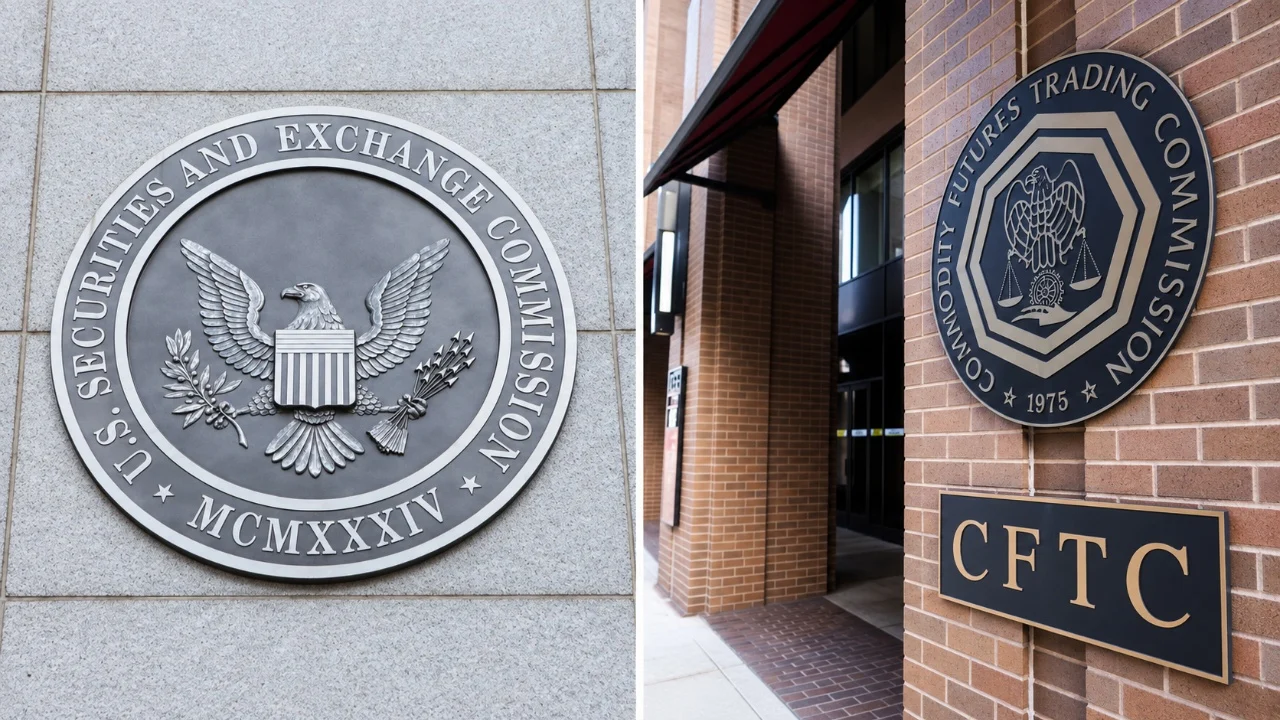
Retail crypto traders could gain tailored protections under a federal initiative launched Oct. 5. The U.S. Commodity Futures Trading Commission (CFTC), the regulator of financial contracts tied to underlying assets, opened consultation on a national framework for retail crypto commodity transactions. The effort runs alongside U.S. Securities and Exchange Commission (SEC) measures addressing asset safekeeping and blockchain-based stock trading.
CFTC Chairman Michael S. Selig linked the effort to President Donald Trump’s directive for federal crypto oversight. He said: “I want to underscore that this is a federal option for crypto asset exchanges.”
Preparations for crypto market rules under existing authority began before today’s notice. The proposed crypto asset market category would be a specialized registration option for exchanges offering covered retail trades involving leverage, margin, or financing. These arrangements increase exposure through borrowed funds or collateral. Selig clarified that requiring every crypto exchange to register federally would need congressional action.
Atkins Signals More Rules as SEC Advances Custody Changes
SEC Chairman Paul S. Atkins signaled further action in an Oct. 1 statement. The head of the federal securities regulator indicated more crypto regulatory proposals are coming. He argued that outdated requirements should not force onchain markets, where transactions occur on blockchains, offshore.
His remarks accompanied proposed changes to how registered investment advisers and regulated funds safeguard investor assets. The tailored custody framework would permit self-custody in certain circumstances and allow state trust companies as custodians. It also covers adviser audits and broker-dealer safekeeping services for funds.
The Sept. 17 Innovation Exemption already provides temporary, conditional relief for qualifying trading venues and liquidity providers handling tokenized stocks, shares represented on a blockchain. Access restricted to approved participants and equivalent shareholder rights are among its conditions. Federal anti-fraud and anti-manipulation provisions remain applicable.
August’s Regulation Crypto Assets would provide a one-time exemption for certain investment contract offerings of up to $5 million over four years, plus a separate route of up to $75 million per 12-month period. Investment contracts generally involve expected profits dependent on others’ efforts. Both routes would require disclosures; the larger would also demand financial statements and ongoing reporting.
Customer Assets Face Reserve Checks and Direct Delivery Options
Customer protections would build on the Commodity Exchange Act, the federal law governing certain financed retail trades discussed in the agencies’ joint staff statement. Selig’s Oct. 5 remarks outlined proof of reserves, demonstrating assets held for pooled customer property, alongside registered intermediaries handling accounts under disclosure, capital, and segregation requirements, keeping customer property separate from the firm’s own.
Selig also proposes clarifying that transfer to an external noncustodial wallet within 28 days generally satisfies an exception to registered-exchange trading requirements. This follows the withdrawal of earlier digital asset delivery guidance in December 2025. A noncustodial wallet gives its user control over the credentials needed to move cryptocurrencies and other digital holdings.
That distinction concerns the delivery of cryptocurrencies and blockchain-based assets rather than the SEC’s separate proposed custody requirements for advisers and funds. The advance notice of proposed rulemaking gathers preliminary feedback before potential regulations.
Written comments are due within 60 days of publication in the Federal Register, the government’s official publication for regulatory notices. Submissions will be posted on Regulations.gov.

