
Key Takeaways
- HMRC’s crypto tax letters increased 25% to 81,000.
- Crypto exchanges and lending can produce taxable events.
- Global reporting will expand HMRC’s access to transaction data.
HMRC Crypto Tax Letters Increase 25%
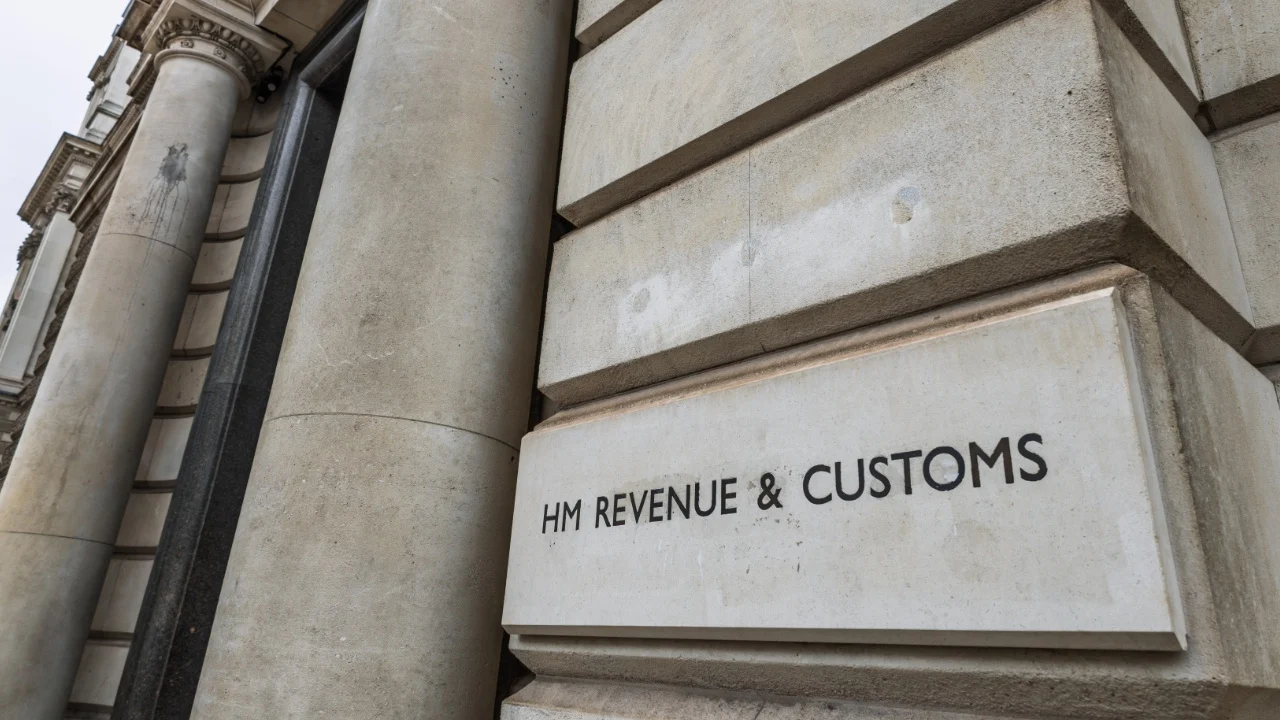
The United Kingdom’s tax agency has intensified scrutiny of cryptocurrency investors, sending 81,000 warning letters during the past 12 months, UHY Hacker Young said Aug. 20. The accountancy group obtained the figures through a Freedom of Information request. The total increased 25% from approximately 65,000 letters in the previous year.
Those communications, commonly called nudge letters, give recipients an opportunity to disclose unpaid tax before HM Revenue and Customs opens a formal investigation. The latest increase extends a sharp escalation from 27,714 letters in the 2023-24 tax year. HMRC’s previous 65,000-letter campaign had already more than doubled the preceding annual total.
UHY Hacker Young Partner Neela Chauhan attributed some noncompliance to investors misunderstanding complex rules or assuming the agency cannot see their transactions. Chauhan stated:
“There is the expectation amongst tax authorities that cryptocurrency investment is rife with tax evasion.”
The UK cryptocurrency tax framework generally distinguishes personal investment gains from activity taxed as income.
Crypto Swaps Can Create Tax Obligations
Many investors recognize that selling cryptocurrency for pounds can produce a taxable gain, but exchanging one digital asset for another may also count as a disposal. Spending cryptocurrency on goods or services and giving tokens to another person can create similar obligations. The taxable amount generally depends on acquisition costs, disposal value, and applicable allowances, as outlined in the broader treatment of cryptocurrency taxes.
Income earned through cryptocurrency lending, staking, or other activities may fall under separate income tax rules depending on the transaction and the investor’s circumstances. Chauhan said some individuals also mistakenly assume that using an overseas exchange removes their UK obligations. UK residents are generally taxed on worldwide income and gains, including qualifying profits generated through offshore platforms.
Changes scheduled for April 2027 will simplify certain decentralized finance transactions without eliminating tax on their economic gains. Under the planned framework, qualifying crypto loans and automated market-making arrangements will receive no-gain, no-loss treatment until an economic disposal occurs. The revised treatment of crypto lending and liquidity pools is expected to affect about 700,000 individuals.
Global Reporting Expands HMRC’s Visibility
Crypto service providers operating in the United Kingdom must collect identifying information and transaction summaries under the Cryptoasset Reporting Framework. Their first reports, covering transactions conducted from Jan. 1 through Dec. 31, 2026, must be submitted between Jan. 1 and May 31, 2027. The framework requires information about users who are tax residents in participating jurisdictions.
International information exchanges will also provide HMRC with data about UK residents using providers in other participating jurisdictions. The agency’s Cryptoasset Reporting Framework manual states that overseas providers will supply information on UK residents, reducing the opacity associated with offshore platforms. UHY expects 52 jurisdictions to provide data in 2027, followed by 15 more in 2028.
Expanded tax reporting forms part of a wider UK effort to supervise cryptocurrency activity while developing new rules for regulated businesses. The Financial Conduct Authority (FCA) joined HMRC and regional law enforcement in raids targeting eight suspected illegal peer-to-peer trading sites in April, while evidence gathered during those inspections supported multiple continuing criminal investigations.