
Key Takeaways
- Sens. Thom Tillis and Ruben Gallego sent a state attorneys general enforcement plan to the White House on July 29.
- The Senate has until its August 7 recess to secure 60 votes for the CLARITY Act.
- Coinbase CEO Brian Armstrong called the bill’s progress “the one yard line” on July 29.
A Counteroffer Reaches the White House
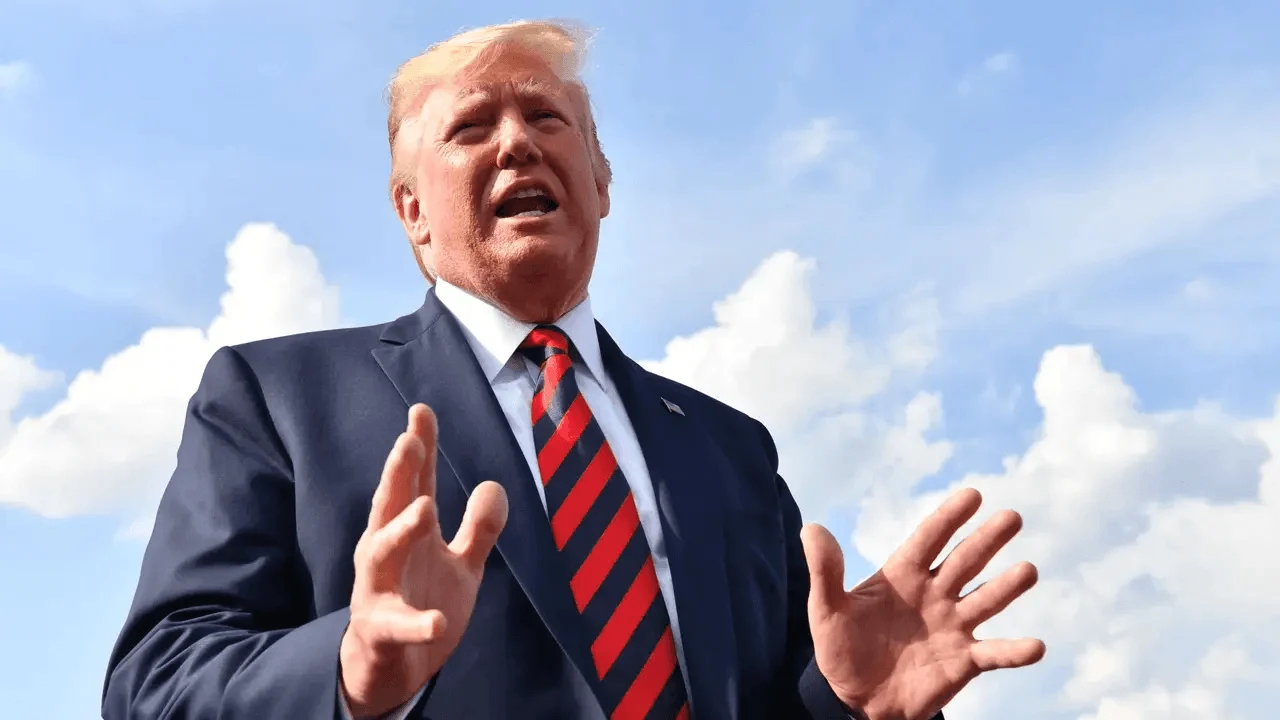
Crypto policy journalist Eleanor Terrett reported on August 1 that Trump is weighing a bipartisan ethics counteroffer as the Digital Asset Market Clarity Act, or CLARITY Act, hangs in the balance heading into the weekend. The bill is meant to give crypto firms a federal rulebook by dividing oversight of digital assets between the Securities and Exchange Commission (SEC) and the Commodity Futures Trading Commission (CFTC).
The White House is now considering whether to accept a revised enforcement mechanism that would let state attorneys general, not just the Department of Justice, police crypto conflicts of interest among senior officials.
The counterproposal came from Republican Sen. Thom Tillis of North Carolina and Democratic Sen. Ruben Gallego of Arizona, who finalized compromise ethics language and sent it to the White House on July 29. Their plan would let state authorities enforce a ban on federal officials issuing or sponsoring digital tokens, addressing a gap Senate Democrats had flagged in an earlier version of the bill.
Why Enforcement Became the Sticking Point
The dispute traces back to a White House ethics deal reached on July 21, which put the CLARITY Act’s ethics package in Senate Republicans’ hands with Trump’s personal approval. Bitcoin.com News reported at the time that negotiators called the agreement the bill’s last major obstacle before a floor vote.
That optimism faded quickly because just two days later, five major loopholes emerged which Senate Democrats said had remained in the draft. These included a provision giving the Department of Justice exclusive enforcement authority while blocking state attorneys general and private parties from suing over violations.
Democratic staff pointed to Trump’s crypto ventures as the reason they wanted oversight independent of the executive branch’s own Justice Department. A tax disclosure found Trump accrued at least $1.4 billion in 2025 crypto income, led by $635 million in TRUMP memecoin royalties and $515 million from World Liberty Financial token sales, the same ventures Democrats say the ethics package must cover.
Sen. Cynthia Lummis, one of the bill’s lead Republican negotiators, voiced frustration with the pace of talks, adding:
After nearly 11 months of giving almost everything asked of us, I genuinely don’t know what else my Democrat colleagues need.
White House crypto adviser Patrick Witt struck a similar note, telling reporters: “Make it make sense.”
The stakes are high because the CLARITY Act has already cleared one chamber of Congress. The House passed its version 294-134 on July 17, 2025, with more than 70 Democrats crossing over in what remains the most bipartisan digital-asset vote in congressional history.
The Senate has yet to hold a floor vote, and seven Senate Democrats rejected the most recent ethics draft, leaving the state attorneys general language as the main remaining bridge to a deal.
A Week Left Before Recess
Senate Majority Leader John Thune has signaled a floor vote is still possible, telling reporters the chamber will “probably have a vote on the CLARITY Act.” But the bill needs 60 votes, meaning at least seven Democrats would have to cross over even if the White House accepts the state attorneys general language.
Industry executives are watching closely, with Coinbase (Nasdaq: COIN) CEO Brian Armstrong writing earlier this week that “clear rules are almost here,” describing the bill’s progress as reaching “the one yard line.”
Gallego has said lawmakers are close to finalizing language to submit within days, and Tillis has called the enforcement expansion a workable starting point. Neither the White House nor Senate Democratic leadership had publicly confirmed acceptance of the new language as of the weekend Terrett described.