Key Takeaways
- OFAC can sanction foreign parties operating in Iran’s crypto sector.
- A shadow fleet broker processed over $100 million in crypto payments.
- Treasury blocked crypto wallets tied to Iran’s intelligence ministry hackers.
OFAC Opens Iran’s Digital Asset Sector to Sanctions
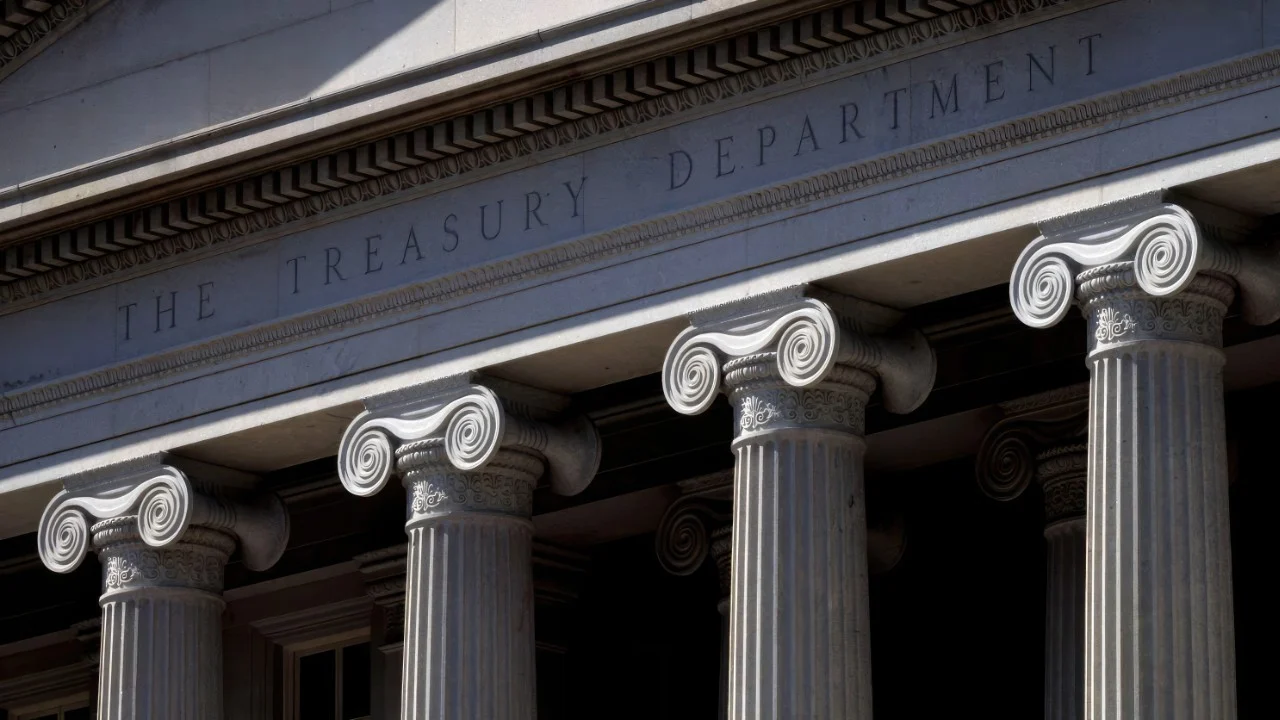
Foreign crypto businesses now face broader sanctions exposure when dealing with Iran-linked counterparties following the Treasury Department’s latest economic campaign. The Treasury launched Operation Economic Outcast on Aug. 24, targeting nearly 60 entities, individuals, and vessels connected to Iranian nuclear, missile, cyber, and oil networks.
Blockchain analytics firm Chainalysis wrote:
“One of the most sweeping components of the package is a first-of-its-kind sectoral determination that allows OFAC to sanction anyone globally that operates in or supports Iran’s digital assets sector.”
“OFAC additionally targeted individuals supporting Iran through crypto-enabled trade payments and theft,” Chainalysis added.
The Office of Foreign Assets Control (OFAC) expanded its authority under Executive Order 13902 to cover five Iranian economic sectors. The determination includes Iran’s digital asset sector alongside aviation, gold, shipping, and technology, allowing OFAC to sanction people found to operate in those sectors.
The designation extends an enforcement campaign that previously focused on specific exchanges and transactions tied to sanctioned Iranian parties. OFAC sanctioned four major Iranian crypto exchanges in June, including Nobitex, which handled more than half of Iran’s digital asset inflows during 2025, according to the Treasury.
$100M Crypto Network Supports Iranian Oil Sales
The latest package targets Ukrainian national Ivan Obukhov, a United Arab Emirates-based broker accused of facilitating oil shipments for Iran’s military and its proxies. Since 2023, Obukhov has processed more than $100 million in cryptocurrency payments supporting oil sales for the Islamic Revolutionary Guard Corps-Qods Force, according to Treasury and Chainalysis.
Maritime service providers received updated guidance on Iranian demands for Strait of Hormuz transit fees, revising an OFAC alert first issued May 1. Companies risk penalties even when no money changes hands, by accepting insurance or answering demands for safe-passage guarantees from three Iranian bodies designated since May.
Tolls sought for passage can take any form, including fiat currency, digital assets, informal swaps, or donations routed to Iranian charities and embassy accounts. Chainalysis previously described Iran’s crypto tolls for Hormuz passage as a potential milestone in state cryptocurrency adoption, with stablecoins expected to play a larger role than bitcoin in high-volume transactions.
Iranian Cyber Operations Leave Cryptocurrency Trail
OFAC also designated a cyber espionage group inside Iran’s Ministry of Intelligence and Security (MOIS) for hacking U.S. critical infrastructure on behalf of the regime. Bitcoin, Ethereum, and TRON wallets belonging to group co-leader Behzad Mesri and member Keyvan Fayyaz Gareh Blagh were blocked, along with bitcoin and ether addresses for member Arman Kahzadian.
Some group members also acted in their own interests, according to OFAC, while Chainalysis traced a ransomware payment arriving directly at one of the newly sanctioned addresses. Blagh sent cryptocurrency deposits to at least two bulletproof hosting providers, infrastructure that criminal and state-backed hackers rely on.
A superseding indictment unsealed Aug. 18 named 17 members of the Iran-based hacking-for-hire operation Mabna Institute as defendants, four of whom OFAC designated on Aug. 24. The document describes several defendants’ alleged involvement in the 2017 HBO hack, while Mesri was charged separately with attempting to extort the company for approximately $6 million in bitcoin.
The sanctions follow earlier actions involving substantially larger volumes of Iranian-linked cryptocurrency. Treasury Secretary Scott Bessent stated in May that the government had seized approximately $1 billion in Iran-linked crypto through a broader campaign targeting sanctioned wallets, oil revenue, and financial networks associated with the Iranian government and the IRGC.
Chainalysis noted the expanded sanctions exposure:
“For the first time, OFAC has designated digital assets as a sector of the Iranian economy subject to secondary sanctions under E.O. 13902. This means OFAC can now sanction any foreign person, anywhere in the world, that operates in or provides support to Iran’s digital asset sector, expanding secondary sanctions exposure for global crypto businesses.”
Public blockchain records allow investigators to follow transfers between addresses even when wallet owners are not immediately identified. A blockchain explorer displays transactions, addresses, balances, and transfer histories, helping investigators and compliance teams identify exposure after authorities connect particular wallets to sanctioned actors.