Key Takeaways
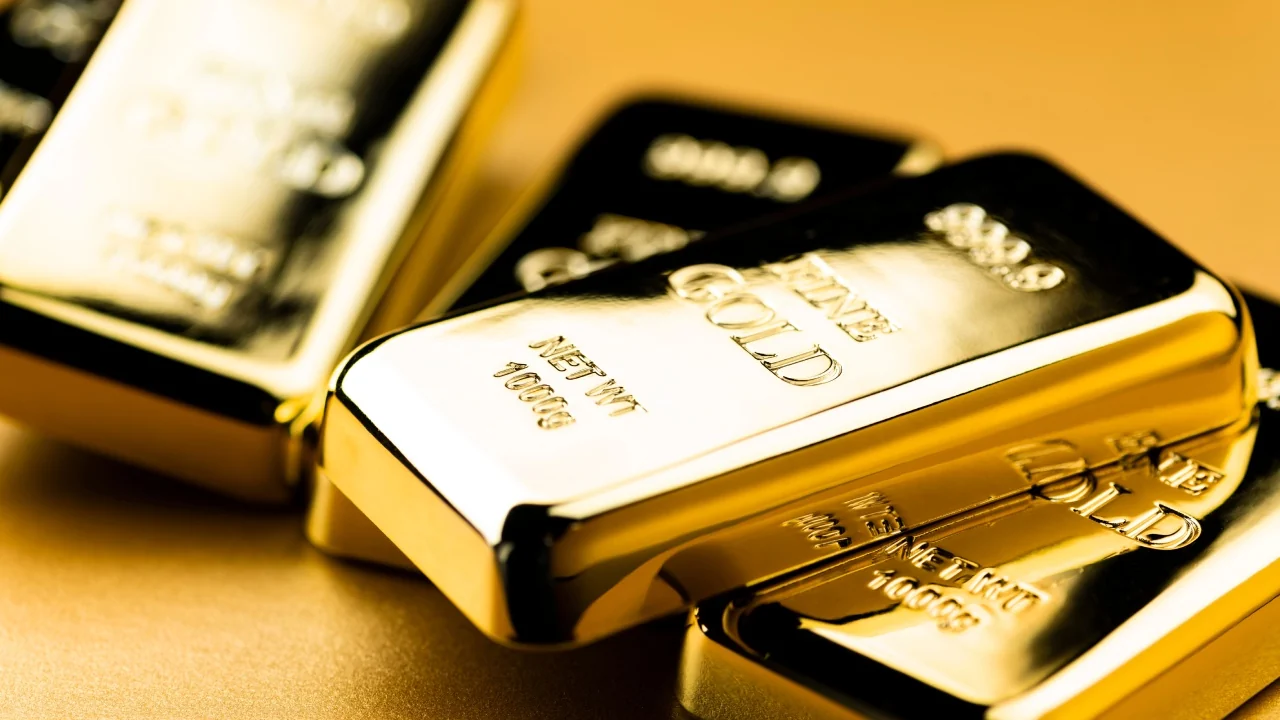
- Spot gold prices plunged to $3,525, falling nearly 10% in a week, signaling broader market instability.
- Analysts like Luke Gromen view this crash as an early warning of an AI-driven deflationary crisis.
- Despite the drop, experts predict bearer assets like gold will survive and ultimately outperform stocks.
Analysts Prop Gold up Amidst Market Pullback
While gold is facing a brutal price drop, with prices reaching levels not seen since September 2025, analysts still believe the metal has a larger role to play amidst an upcoming generalized bear market.
Spot gold prices dropped to $3,525 per ounce during the early morning hours on Friday, falling close to 10% over the week. Peter Schiff, a known gold proponent, has commented that such a decline might anticipate a larger decline in the stock market, with shares shedding all their gains since Trump took office. Nonetheless, Schiff believes that such a move would be prevented by the Federal Reserve before destroying the banking system and driving the government into bankruptcy.
Luke Gromen, FFTT founder, stressed that this accelerated fall might be part of the first phase of an AI substitution process, with a price crash in assets like gold and BTC being an early warning.
Nonetheless, while highlighting different reasons, Gromen also predicts that “bearer assets,” including BTC and gold, will survive such a crisis, as they don’t constitute liabilities for any group.
“Before soaring, BTC & gold would crash. Their crash would be the advanced warning of what AI would soon do to many other assets…gold would ultimately outperform virtually all other assets in the ensuing deflation,” he assessed.
Before, Gromen alerted about gold’s negative price action, stressing that it should scare investors as it was an indicator that “something wicked” was coming.
Similarly, predicting a large market depression, Casey Donaldson, author of The Rover newsletter, claims that gold could surge again as investors seek to position before a market collapse.
Donaldson estimates that today’s prices are supported by gold’s presence in just 0.17% of the U.S. investment portfolios, declaring that an increase of 1% in this metric would propel prices by 140%. This number includes only U.S. investors, without taking international demand from private investors into account.
“While central banks are accumulating gold, and investors around the world are looking for alternatives to the USD. The amount of capital that could rotate into the gold market is hard to wrap our minds around relative to the gold market,” he concluded.
The relative optimism of different experts regarding gold highlights its allure as a pivotal element in financial markets with no easy substitute, even when it faces a temporary liquidity crisis driven by market conditions.